Following the Twists and Turns of
Yosemite’s Merced River
by Chad G. Parker-Thompson
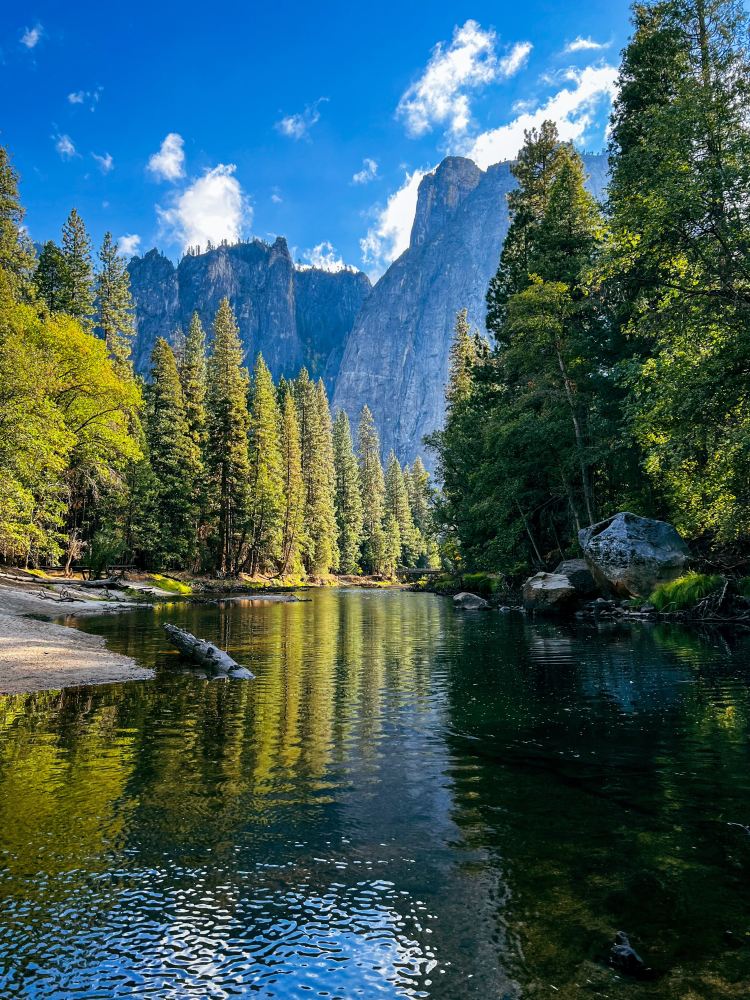
Yosemite National Park, located in the heart of California’s Sierra Nevada mountains, is a place of breathtaking beauty and natural wonder. It encompasses nearly 1,200 square miles of pristine wilderness, and at its heart flows the magnificent Merced River. In this article, we will explore the Merced River and its central role within the park, delving into its geological significance, the rich history of Yosemite National Park, and its enduring presence in popular culture.
I. Yosemite National Park:
A Natural Treasure
Yosemite National Park is situated in the central-eastern part of California, spanning across the Sierra Nevada mountain range. It covers an area of 1,187 square miles, making it one of the most extensive and diverse national parks in the United States. The park is renowned for its dramatic granite cliffs, lush meadows, dense forests, and pristine alpine lakes.
At the heart of Yosemite’s unique geology are the iconic granite formations, most notably El Capitan, Half Dome, and the towering cliffs of the Yosemite Valley. These awe-inspiring features were sculpted by the forces of glacial activity, erosion, and the Merced River itself over millions of years.
El Capitan, with its nearly vertical 3,000-foot rock face, is a world-renowned destination for rock climbers. Climbers from across the globe are drawn to its challenging routes, such as “The Nose” and “The Dawn Wall,” which test the limits of human skill and determination. As climbers ascend El Capitan, they are rewarded with breathtaking views of the Merced River below, offering a unique perspective of the river’s meandering course through the valley. Half Dome is another iconic feature of Yosemite National Park, its distinctive shape is recognizable worldwide. The sheer granite face of Half Dome rises over 4,700 feet above the valley floor and presents an irresistible challenge to hikers. The hike to the summit, known as the Half Dome Trail, offers unparalleled vistas of the Merced River, the valley, and the surrounding mountains, making it a must-do for visitors seeking out panoramic views.
The history of Yosemite National Park is deeply intertwined with the preservation of natural landscapes. In 1864, President Abraham Lincoln signed the Yosemite Grant, protecting the Yosemite Valley and the Mariposa Grove of Giant Sequoias, marking the first time in history that land was set aside specifically for preservation and public use. This act laid the groundwork for the national park system in the United States, which would later be established in 1916.
II. The Serene Merced River
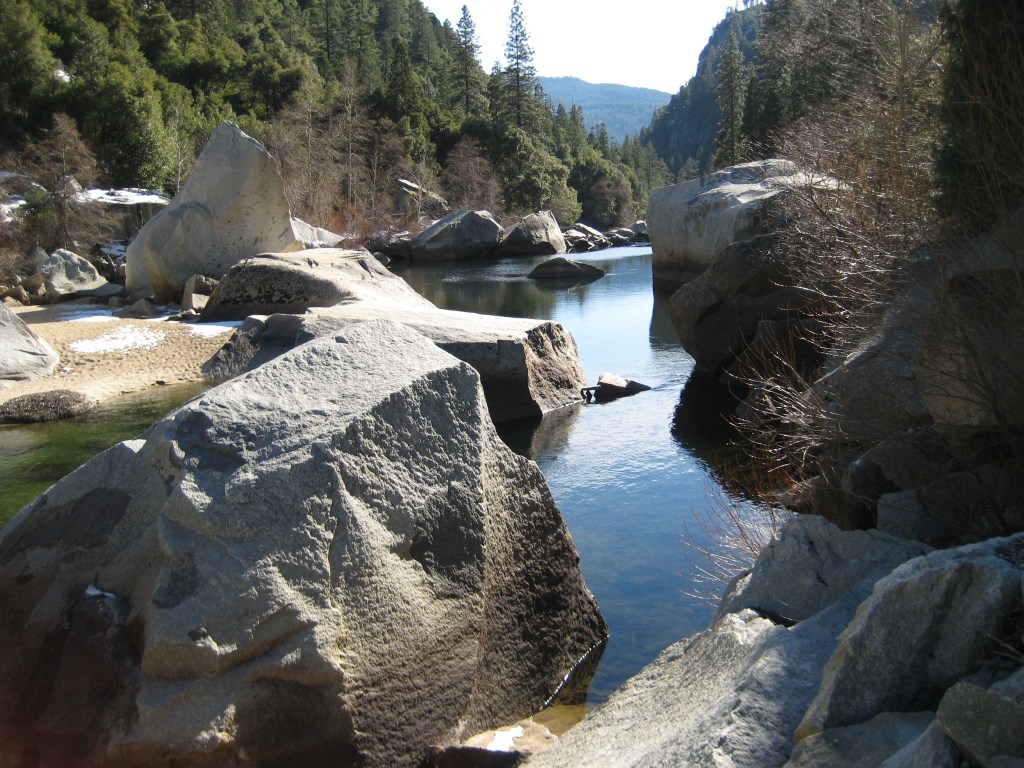
Flowing gently through the heart of Yosemite Valley, the Merced River is a symbol of tranquility amid the park’s towering peaks and dramatic landscapes. The river originates high in the Sierra Nevada, its headwaters born from the melting snow and glaciers of the surrounding mountains. It then winds its way through alpine meadows, dense forests, and granite canyons before reaching the iconic Yosemite Valley. It’s quite a journey for a river!
One of the defining features of the Merced River is its crystal-clear waters, which reflect the surrounding scenery in stunning fashion. The river’s banks are lined with tall pine trees, colorful wildflowers, and moss-covered rocks, creating a postcard-perfect landscape. The Merced River’s scenic beauty is at its zenith in the Yosemite Valley, where it meanders past towering cliffs and cascading waterfalls.
The Merced River is intimately associated with some of Yosemite National Park’s most famous waterfalls: Cascading a total of 2,425 feet in three distinct sections, Yosemite Falls is one of the tallest waterfalls in North America. The river, in its relentless journey, plays a pivotal role in feeding the water source for this breathtaking spectacle. With a 620-foot drop, Bridalveil Fall is another iconic waterfall along the Merced River’s course. Its delicate mist and ethereal appearance make it a beloved destination for visitors.
“The Merced River is a symbol of tranquility amid the park’s towering peaks and dramatic landscapes.”
The Merced River offers a wide range of recreational opportunities for visitors to Yosemite National Park. These activities include:
Fishing: The river is home to various species of trout and provides excellent fishing
opportunities for anglers.
Rafting and Kayaking: During the spring and early summer, the Merced River’s flow is ideal for rafting and kayaking enthusiasts seeking thrilling adventures.
Picnicking and Photography: Many visitors opt for a leisurely day along the river’s banks, enjoying picnics and capturing the stunning landscapes through their cameras. There is so much natural beauty across the sprawling park that there would be no shortage of photo ops.
III. Yosemite National Park in Popular Culture
Yosemite National Park, with its breathtaking vistas and awe-inspiring landscapes, has been a muse for countless writers and artists over the years. John Muir, a naturalist and advocate for wilderness preservation, played a pivotal role in raising awareness about Yosemite through his writings. His words inspired people to appreciate the park’s natural beauty and to take action in its conservation.
Additionally, photographers like Ansel Adams captured Yosemite’s grandeur through their lens, producing iconic black-and-white images that continue to inspire artists and nature enthusiasts alike.
Yosemite National Park has also featured prominently in popular films and television shows. Its stunning landscapes have served as the backdrop for various cinematic works, including Disney’s “The Spirit of Mickey,” where Mickey Mouse embarks on an adventure through the park.
Television programs, such as National Geographic documentaries and travel shows, have frequently showcased the park’s natural wonders, further cementing its place in the public’s imagination.
Yosemite National Park is a magnet for outdoor enthusiasts, attracting hikers, rock climbers, and backpackers from all corners of the globe. The park has been the stage for numerous daring feats and record-breaking climbs, earning a revered status among adventurers. The towering cliffs, especially El Capitan and Half Dome, have been the site of countless exhilarating climbs and treks. Rest assured climbing one of those massive natural wonders is on the to-do list of many.
IV. Conclusion: The Merced River’s Timeless Legacy
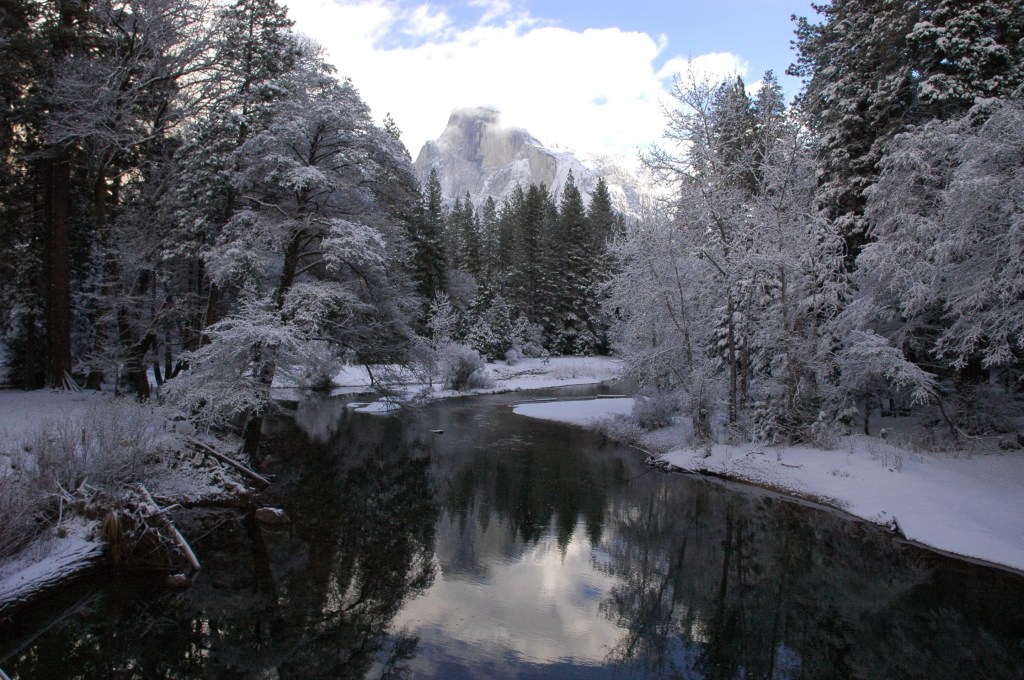
Yosemite National Park, with its crown jewel, the Merced River, remains an enduring symbol of the natural world’s beauty and the importance of conservation efforts. Its geological marvels, rich history, and continued presence in popular culture serve as a testament to the profound impact this park has had on both individuals and society as a whole.
Conservation is paramount for safeguarding our planet’s biodiversity, ecosystems, and natural resources. It ensures that our environment remains resilient, providing vital services like clean air, water, and food production. Conservation preserves endangered species and maintains the delicate balance of ecosystems, preventing ecological disruptions that could have cascading effects on all life forms. Furthermore, it safeguards cultural heritage and natural wonders, such as Yosemite National Park, for future generations to enjoy and study.
As visitors continue to flock to Yosemite to witness the splendor of the Merced River and its surroundings, it is essential to remember the legacy of preservation and stewardship that defines this remarkable place. Yosemite National Park stands as a testament to the idea that, by protecting and cherishing our natural wonders, we can ensure that they remain a source of inspiration and wonder for generations to come.
 lorensmithportfolio.com